In today’s digital landscape, visual content plays a critical role in capturing attention and communicating ideas effectively. As technology continues to evolve, 3D creation has become an essential tool for businesses, designers, architects, marketers, and content creators looking to deliver engaging and realistic experiences.
From product visualization and architectural rendering to gaming, animation, and virtual reality, 3D creation enables organizations to showcase concepts in ways that traditional images and videos cannot. By combining creativity with advanced technology, 3D design helps bring ideas to life with stunning realism and detail.
What Is 3D Creation?
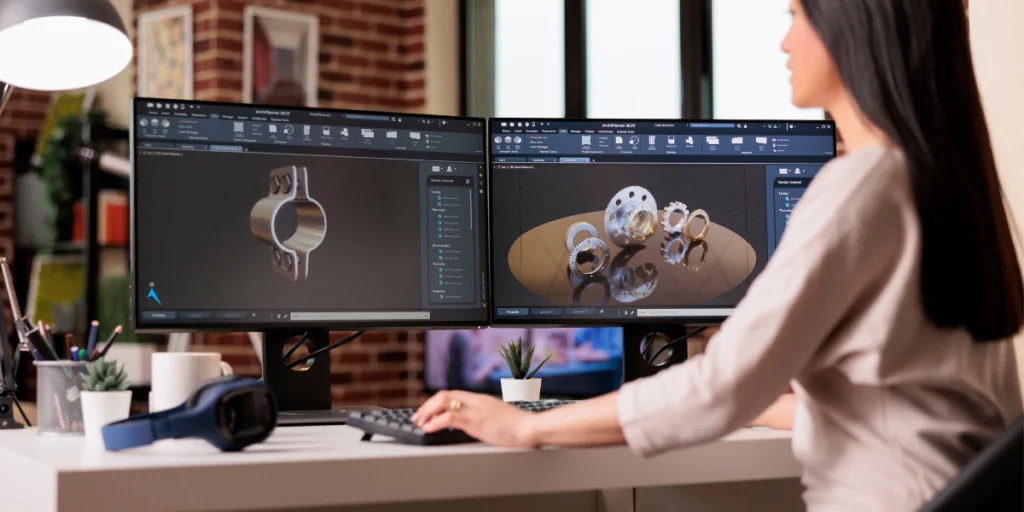
3D creation is the process of designing, modeling, and rendering digital objects and environments in three dimensions. Unlike traditional 2D graphics, 3D models have depth, allowing them to be viewed from multiple angles and manipulated within virtual spaces.
The process typically involves:
- Concept development
- 3D modeling
- Texturing and materials
- Lighting setup
- Animation (if required)
- Rendering and post-production
These elements work together to create realistic visuals that accurately represent products, spaces, characters, or concepts.
Benefits of 3D Creation
Enhanced Visual Communication
Complex ideas can often be difficult to explain using text or static images. 3D visuals provide a more comprehensive understanding by allowing viewers to explore objects and environments from different perspectives.
Improved Product Presentation
Businesses can showcase products before manufacturing begins. This helps with marketing, investor presentations, product launches, and customer engagement while reducing production costs.
Greater Design Accuracy
Designers and engineers can identify potential issues during the planning stage, helping reduce costly revisions and improving overall project efficiency.
Increased Customer Engagement
Interactive 3D experiences, animations, and virtual tours create stronger connections with audiences and encourage deeper engagement with products and brands.
Cost-Effective Prototyping
Creating digital prototypes often costs significantly less than producing physical prototypes, especially during early design phases.
Applications of 3D Creation
Product Visualization
Manufacturers and retailers use 3D models to display products online, create promotional materials, and demonstrate product features in a visually compelling way.
Architecture and Real Estate
Architects and developers use 3D renderings to present building designs, interior concepts, and virtual property tours before construction begins.
Gaming and Entertainment
The gaming and film industries rely heavily on 3D creation for characters, environments, special effects, and immersive storytelling experiences.
Marketing and Advertising
Brands use 3D graphics and animations to create eye-catching advertisements, social media content, and promotional campaigns that stand out from competitors.
Virtual Reality and Augmented Reality
3D assets form the foundation of VR and AR experiences, allowing users to interact with digital objects in realistic environments.
The 3D Creation Process
1. Planning and Concept Development
Every successful project begins with a clear vision. Designers gather requirements, define objectives, and create initial concepts.
2. 3D Modeling
Artists create digital models using specialized software. This stage focuses on structure, dimensions, and overall form.
3. Texturing and Materials
Textures, colors, and material properties are applied to make objects appear realistic and visually appealing.
4. Lighting and Scene Setup
Proper lighting enhances realism by creating depth, shadows, and atmosphere within the scene.
5. Rendering
Rendering converts the 3D scene into high-quality images or animations suitable for presentation, marketing, or production.
6. Final Refinements
Post-production adjustments help improve quality, correct details, and ensure the final output meets project goals.
Emerging Trends in 3D Creation
As technology advances, several trends are shaping the future of 3D design:
- Real-time rendering technology
- AI-assisted modeling and design
- Interactive 3D websites
- Virtual and augmented reality experiences
- Digital twins for industrial applications
- Cloud-based collaborative workflows
These innovations continue to make 3D creation more accessible, efficient, and impactful across industries.